I’m going to start today’s post with an admission: I have a love/hate relationship with ayurveda, the study of the world regarded as yoga’s ‘sister science’. I’ve put the phrase in quotes because the Western definition of the scientific method doesn’t match my understanding of ayurveda. For the past four hundred years, we’ve defined science as something that is observable, measurable, and experimental, with such criteria as sample size, the gathering of data, and the ability to replicate a procedure with similar results. Given this, I tend to think of ayurveda as a ‘philosophy’ rather than a ‘science.’
And yet…. As is true with yoga, ayurveda is a useful tool for understanding the calendar year and our approach to health during different seasons. Many of its recommendations demonstrate common sense and a deep understanding of the way in which the human body interacts with nature. Because I try to live in harmony with the seasons, I find the philosophy’s suggestions to be helpful.
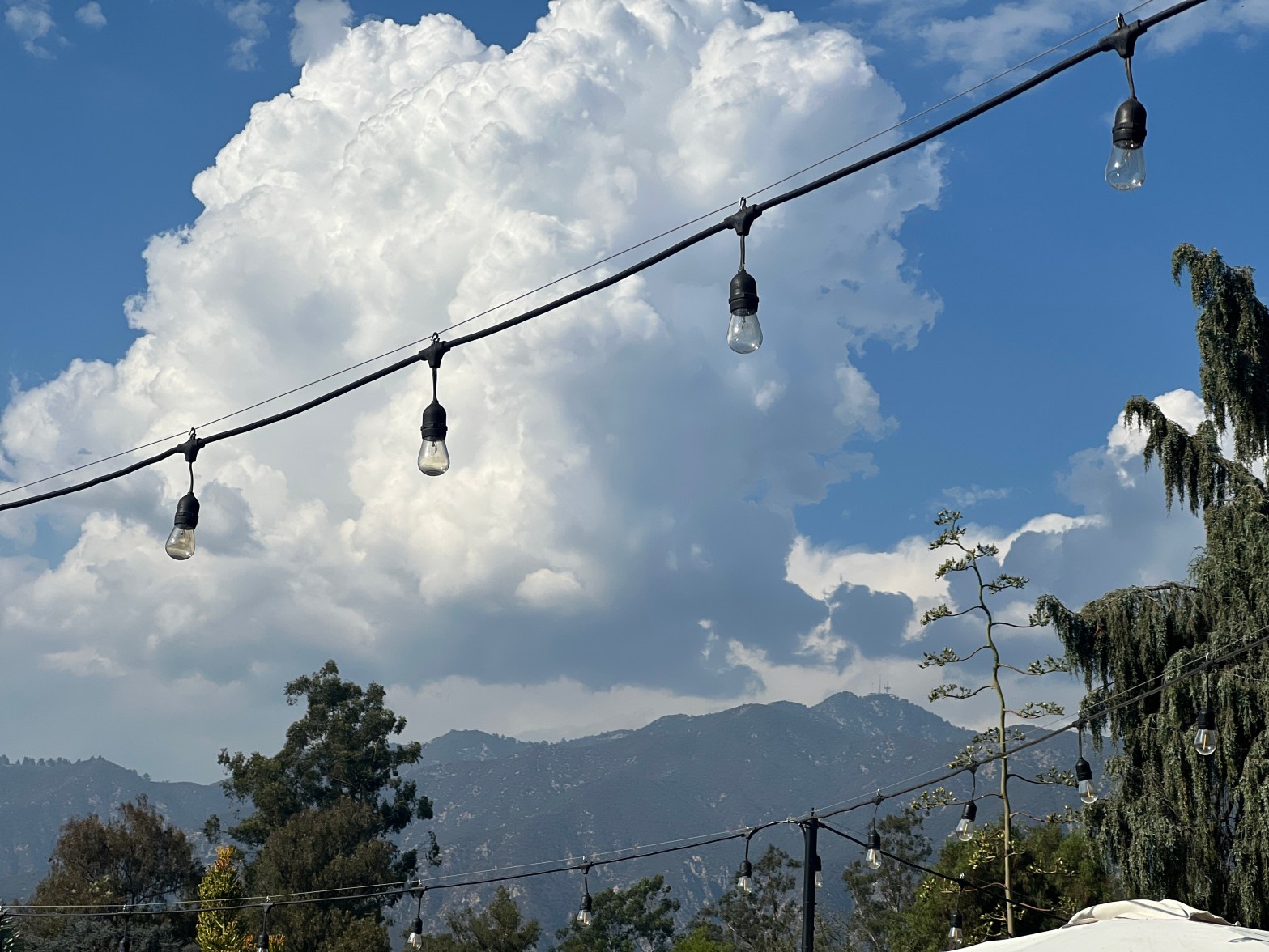
Right now, the Northern Hemisphere is smack in the middle of kapha, or the wet season. Here in California, we’ve gone through a dozen (yes, count them!) ‘atmospheric rivers’ so far, and meteorologists predict more rain to come. Temperatures may be warming (albeit slowly), but it’s still a good idea to keep an umbrella and extra sweater in the car, just in case.
Beyond the excess moisture, this is the season of congestion – we see it in the puddles of water on the streets, the mud that sticks to our shoes, and our unwillingness to change up our routines. Of course, the latter is exactly what we need to do! At the start of kapha season, we turn inward and embrace all things hygge, while during this ‘second session’ we increase movement and focus on rebirth, growth, and transformation. We’ve rested and restored ourselves, and it’s time to put new ideas into practice.
Ayurveda always points to balance. At this stage of the year, our job is to balance the stagnation and isolation of the last few months by adding in new movement and ideas. This is a great time to change up your reading – is there anything you’ve wanted to learn? This might be a great time to begin! Whether it’s a foreign language, a hobby, or a new skill for the resume, the increased light and rising temperatures will help to strengthen resolve. Even five minutes a day can help wipe the cobwebs from our minds!
Perhaps the most important goal for the second half of kapha season is to get active again. Our yoga practices get more physical, as movement-oriented as works for our current state of health. This is a great time to review the different forms of Surya Namaskar, or Sun Salutations, try a vinyasa class, or work on a new twist or backbend. If we are committed to Yin practice, we can focus on sequences that focus on strengthening the heart and lung meridians, perhaps lengthening each individual hold or the entire sequence to increase the rigor of our practice. And of course, adding walking meditation to our repertoire will allow us to move more.
Perhaps we will also change our food plans, turning to lighter menus and avoiding the indulgences of previous months. As is always true, a focus on seasonal produce will help us in the latter pursuit. Sprouts and spring greens are on the menu, along with asparagus and strawberries. The weather may or may not allow us to grill, but we can bake and roast to our heart’s content!
How do your yoga practice change with the coming of spring? I’d love to hear your stories!
 Yoga Cielo Stellato